

Crime patterns across the UK continue to evolve, and businesses are increasingly having to think beyond traditional locks, alarms and CCTV. While official figures show that several categories of crime have recently fallen, the volume of incidents remains significant.
The latest ONS figures for the year ending March 2026 recorded 6.7 million crimes in England and Wales, while police-recorded burglary fell 9% to 223,456 offences and vehicle offences fell 11% to 312,250.
In Greater Manchester, the direction has also been positive, but the risk has certainly not disappeared.
- Burglary remains a concern.
- Vehicle-related crime continues to affect businesses.
- Theft and shoplifting create operational losses.
- Criminal damage can disrupt trading.
GMP reported 9,083 burglaries in the year to September 2025, down 24% compared with the earlier period, while shoplifting and robbery also declined.
The New Reality: Lower Crime Doesn’t Mean Zero Risk
A reduction in crime is encouraging, but businesses cannot interpret falling statistics as a reason to remove preventative measures.
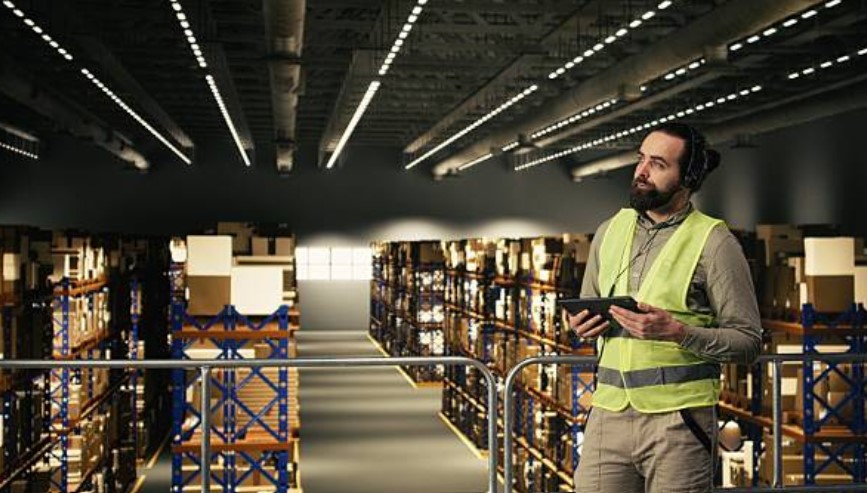
Consider a warehouse that closes at 7pm.
During the day:
- Employees are present.
- Deliveries create activity.
- Visitors are visible.
- CCTV has more context.
At night, the circumstances change.
- Fewer people are present.
- Loading areas may become isolated.
- Gates and entrances may be unattended.
- An alarm activation may go unnoticed.
This is where layered security becomes particularly valuable.
What Does a Modern Plan Look Like?
Professional security agencies in Manchester like SR Facilities Group carefully begin with understanding the property rather than simply selling a standard package.
Our approach begins with a site-specific survey, allowing its management team to understand the client’s requirements before designing a tailored package.
A practical assessment can examine:
- Entry and exit points.
- Vulnerable perimeter areas.
- Operating hours.
- Existing CCTV.
- Alarm arrangements.
- Previous incidents.
- Staff and visitor movements.
The objective is simple: identify where an opportunity could exist and introduce appropriate layers of protection.
Retail Theft: A Different Kind of Challenge
Retail businesses face a particularly complex threat environment because protection has to coexist with customer service.
ONS recorded 530,643 shoplifting offences in the year ending March 2025, an increase of 20% from the previous year and the highest level since current recording practices began.
The retail security services in Manchester or nationwide needs more than someone standing at a doorway.
Effective measures can include:
- Visible security presence.
- Observation of suspicious behaviour.
- Loss-prevention procedures.
- CCTV integration.
- Incident reporting.
- Staff assistance during difficult situations.
SR Facilities specifically describes its retail officers as being trained around theft prevention, customer conflict, emergency situations and professional customer interaction.
Burglary: Prevention Starts Before the Door Is Forced
Commercial burglary can cause much more than the loss of equipment.
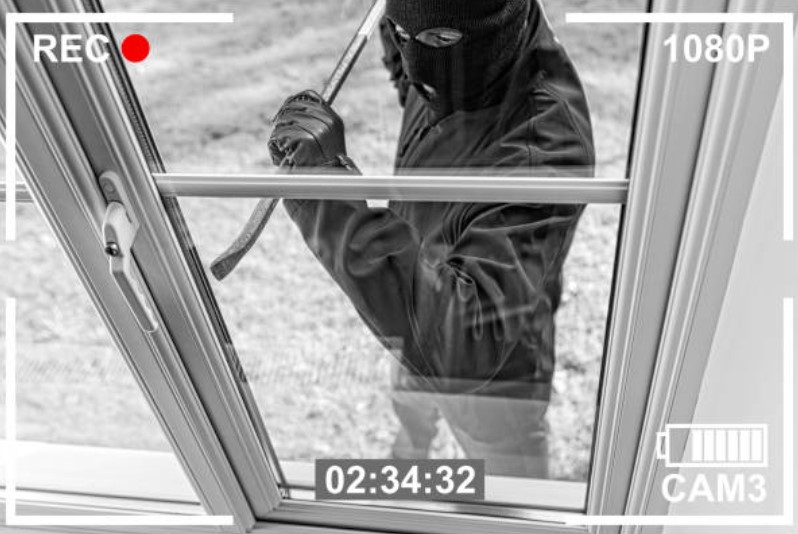
A forced entry may result in:
- Damaged doors.
- Broken windows.
- Lost stock.
- Operational downtime.
- Insurance complications.
- Employee concerns.
Recent GMP cases demonstrate why businesses should take commercial burglary seriously. In June 2026, GMP reported the imprisonment of a prolific offender who had targeted businesses and apartment buildings in Manchester city centre, stealing items including phones, laptops and computers while causing more than £10,000 in damage.
A layered security plan could therefore combine:
- Manned guarding.
- Mobile patrols.
- CCTV monitoring.
- Alarm response.
- Keyholding.
- Access control.
What Happens When Security Becomes Proactive?
The difference between being reactive and proactive is significant.
Reactive plan asks:
“What do we do after something happens?”
Proactive strategy asks:
“What can we identify before it happens?”
That means security officers may be expected to:
- Notice unusual activity.
- Identify vulnerabilities.
- Record incidents.
- Report concerns.
- Monitor access.
- Follow escalation procedures.
SR Facilities describes its approach as prevention-focused, with trained personnel and technology working together rather than relying on a single security measure.
Why Manchester Businesses Need a Layered Approach
Greater Manchester has achieved substantial reductions in neighbourhood crime. GMP reported that residential burglary had fallen by 33% since the launch of Operation Castle, with around 650 residential burglaries per month by June 2026, compared with around 1,500 per month before the initiative began.
That progress demonstrates the value of prevention, investigation and visibility.
For businesses, the lesson is not that security is unnecessary. It is that effective security should evolve alongside the threat environment.
A reputable security company can help businesses assess vulnerabilities and establish an appropriate combination of people, procedures and technology. SR Facilities Group, headquartered in Manchester, provides manned guarding, mobile patrols, CCTV installation and alarm response/keyholding, with services available across the UK.