

The work of a modern security company often begins long before a guard arrives at a site. A client inquiry may sound straightforward — “We need two guards for our warehouse” — but the real questions usually emerge later.
What are the operating hours?
Who enters the site?
Where are the vulnerable areas?
What happens after an incident?
Across the UK, security providers are increasingly expected to demonstrate quality, competence and appropriate training, while the Security Industry Authority continues to review and strengthen standards across the sector.
The Inquiry Is Usually More Complicated Than the Request
Clients often know they have a problem but may not know which service solves it.
A warehouse may ask for guards when mobile patrols and access control are also needed. An office may request CCTV installation when its real weakness is poor visitor management.
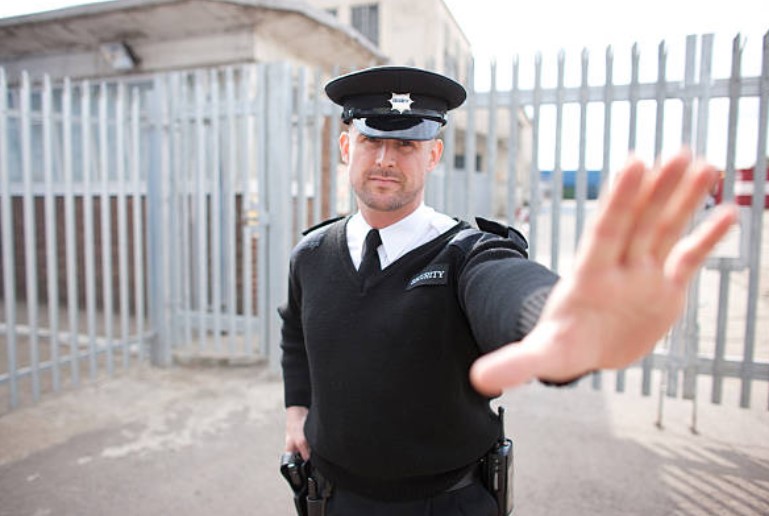
Security planning usually starts with:
- Site and risk assessment
- Operating hours
- Access points
- Staff and visitor movement
- Previous incidents
This is why experienced security companies in Manchester need to understand the client’s operation before recommending a deployment.
Training Does Not End With the Licence
A frontline security role requires appropriate SIA licensing and, for relevant activities, licence-linked qualifications. But basic qualification is only the starting point for many assignments.
A guard working at a construction site faces a different environment from someone stationed at a retail premises or busy event.
On-site preparation can involve:
- Site-specific procedures
- Emergency response plans
- Conflict management
- Communication protocols
- Reporting requirements
The challenge for a security agency in Manchester is ensuring that personnel understand both the general responsibilities of the profession and the particular environment they are protecting.
On the Ground, Plans Meet Reality
Security situations rarely arrive in a convenient format.
A suspicious vehicle may turn out to be a contractor. A delivery driver may arrive outside agreed hours. An alarm activation may require rapid verification. A disagreement can quickly become a safety issue.
Security personnel must constantly make judgements about:
- Who should be challenged
- When to escalate
- When to de-escalate
- What should be recorded
- When emergency services are required
The SIA’s current strategy places increasing emphasis on quality, supervision, incident response, conflict management and public protection — reflecting how demanding frontline security work can be.
Different Clients Create Different Pressures
A single security model cannot realistically cover every business.
Retailers may need visible deterrence and customer-facing personnel. Warehouses may focus on access points, loading areas and stock. Vacant premises require regular inspection and rapid response. Events bring crowd management and changing risks.
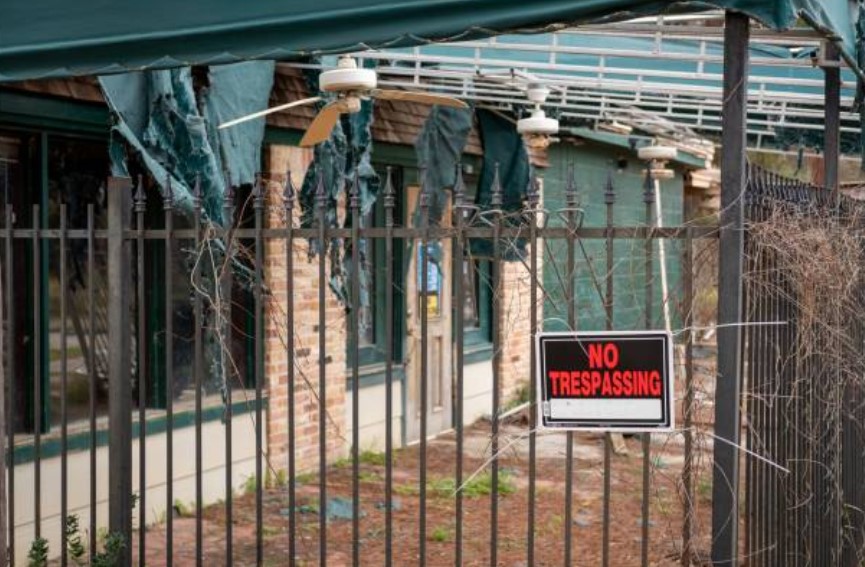
Common client priorities include:
- Theft prevention
- Unauthorised access
- Staff safety
- Asset protection
- Incident response
For a private security company, the challenge is not simply supplying personnel. It is matching the right people, training and procedures to the actual risks on the ground.
Communication Remains the Quiet Part of Security
Many security failures begin with unclear information rather than a lack of personnel.
Guards need to know who is expected on-site. Clients need to understand what has happened during a shift. Supervisors need accurate reports when patterns begin to emerge.
That makes routine communication essential:
- Clear handovers
- Accurate incident reports
- Client updates
- Supervisor checks
- Shift instructions
The best security operations are often the ones nobody notices. A potential issue is identified early, access is controlled, a situation is calmly managed and the business continues operating. For security providers across wider UK, that quiet consistency is often the hardest part to deliver — and the part clients depend on most.