
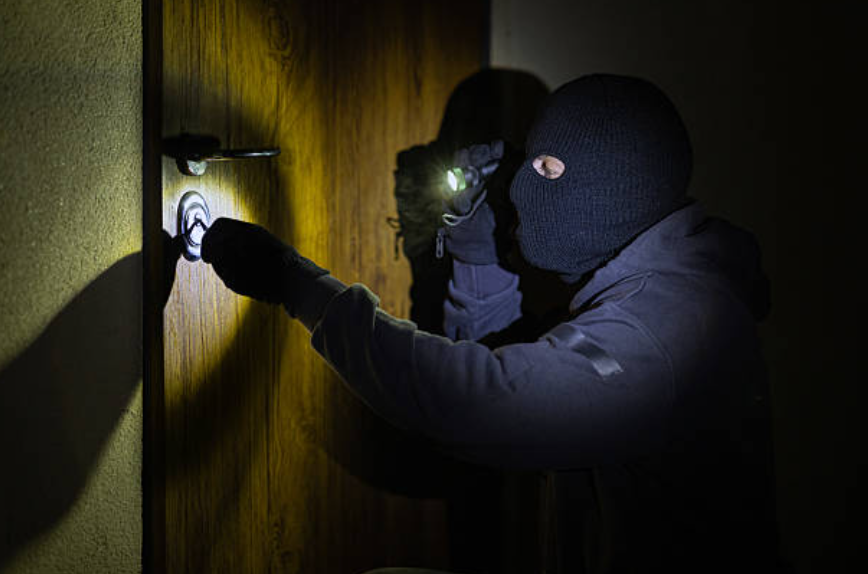
An alarm going off is only the beginning of a security incident. The more difficult question is what happens next.
For many businesses, the traditional answer has been simple: call the owner, manager or a member of staff and ask them to attend the premises. At two in the morning, however, that arrangement can expose untrained employees to an unknown situation. A professional response plan is increasingly becoming an important part of wider business security.
This is where alarm response and keyholding services in Manchester can play a practical role. A trained security provider can hold authorised keys and respond according to agreed procedures when an alarm is activated.
The Problem With Asking Staff to Respond
Many businesses still rely on someone internally to investigate an out-of-hours alarm. That person may have little information about what caused the activation.
It could be a technical fault. It could be an open door. It could also involve an intruder, attempted theft or property damage.
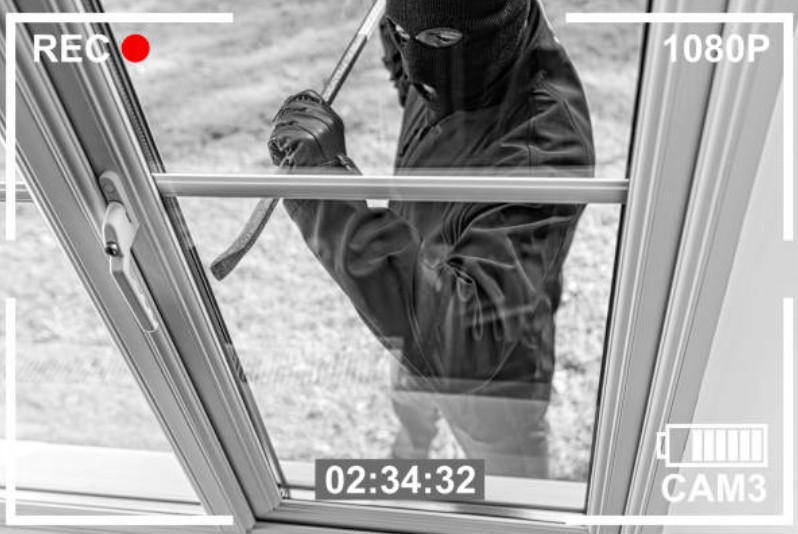
A professional keyholding arrangement can reduce the need for staff or business owners to attend alone.
Common concerns include:
- Unknown activity inside the premises
- Potential intruders
- Damaged doors or windows
- False or repeated alarm activations
- Staff safety outside working hours
The aim is not simply to have someone with a key. It is to have a clear response procedure when the situation is uncertain.
Which Businesses Can Use These Services?
The range of potential users is wider than many assume.
Warehouses may have large sites, valuable stock and several access points. Retail businesses can be vulnerable after closing. Offices may remain empty throughout the night. Construction sites can contain expensive equipment and materials.
Businesses that commonly consider this service include:
- Warehouses and distribution centres
- Retail stores
- Offices
- Industrial units
- Construction sites
- Schools and educational premises
- Commercial properties
- Vacant buildings
Property managers and landlords can also use keyholding arrangements where several premises require regular security oversight.
When Does Professional Response Become Particularly Important?
The need often becomes clearer after a business experiences its first serious incident.
A break-in may reveal weaknesses in the existing response process. A false alarm may repeatedly pull managers away from home. A vacant building may need someone authorised to attend quickly if an alarm or security issue is reported.
Typical threat scenarios include:
- Intrusion alarms after closing hours
- Attempted break-ins
- Suspicious activity reported near the site
- Damage to access points
- Repeated alarm activations
- Fire or security system concerns
- Unsecured premises discovered during patrols
The circumstances can change quickly. A security response therefore depends on accurate information, agreed escalation procedures and personnel who understand the site.
Keyholding Is Also About Control
Keys are among the most sensitive assets a business can hand over. Poor key management can create its own security problem.
Professional arrangements normally require clear records and agreed procedures covering access, authorised personnel and incident escalation.
A structured keyholding plan should consider:
- Who can authorise access
- Which keys are being held
- What happens after an alarm
- Who receives incident updates
- When emergency services are contacted
- How the premises are secured afterwards
For businesses with several managers, this can also remove confusion about who is responsible for attending an incident.
The Risk Changes When Nobody Is Expected to Be There
An occupied office has staff who can notice a problem. A closed warehouse at night does not. The same applies to retail premises after trading hours and vacant properties between inspections.
That is why alarm response and keyholding services are increasingly relevant to businesses that operate beyond normal office hours or leave valuable premises unattended.
The service is particularly useful where there is:
- High-value stock or equipment
- Large or isolated premises
- Overnight closures
- Multiple access points
- A history of security incidents
- No suitable internal out-of-hours response team
For many businesses, the real value lies in removing uncertainty. When an alarm is activated, there is already a designated process, an authorised response and someone responsible for attending the situation rather than a late-night scramble to decide who should go.